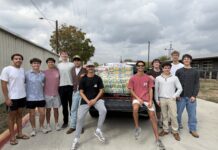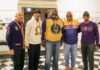




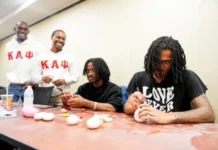
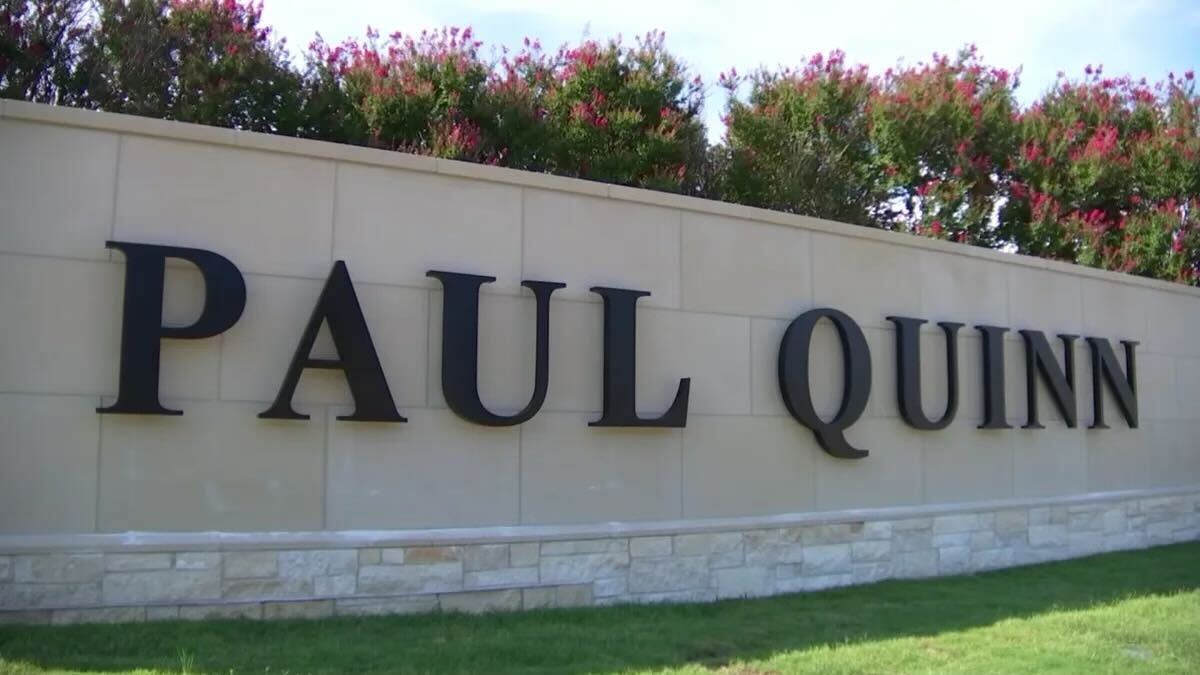
The stepping and the probates draw the eye. The synchronized percussive theater that announces Black Greek life to anyone within earshot of a yard show. But at Paul Quinn College, the oldest historically Black college west of the Mississippi, what alumni like Darien Wilson know is that the spectacle is prologue, not the thing itself.
“I think they think initially that it’s about a party,” Wilson, who pledged at Paul Quinn in 1997, told a local NBC affiliate. “However, it turns into mentorship. It turns into [an] achievement. How are you going to be a leader in the community?”
That question now has a physical answer. The southern Dallas HBCU (Historically Black Colleges or Universities) has received a donation to build its first fraternity house. It represents a permanent stake for the Divine Nine organizations that have operated on these 130 acres without a fixed address.
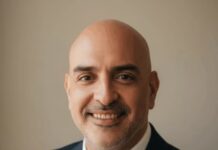
Paul Quinn College President Michael Sorrell, who pledged at a predominantly white institution, sees it as institutional proof of concept. “Twenty years ago, people didn’t think the school would continue to exist,” Sorrell said to NBCDFW. “So not only are we existing, we are thriving.”
The institution’s own incredible origin story rivals any of its students’ for sheer improbability. Founded in 1872 in the basement of Austin’s Metropolitan African Methodist Episcopal (AME) Church as the Connectional School for the Education of Negro Youth, the college migrated to Waco five years later, adopted the controversial Tuskegee model, and taught freedmen blacksmithing and carpentry in a single-room trade school.
Its namesake, Bishop William Paul Quinn, the AME’s fourth bishop, was himself a study in radical reinvention. By his account, he was born in Calcutta to a wealthy family in the mahogany trade, and introduced to Christianity by an English Quaker missionary. Quinn was ostracized by his own kin and eventually found passage to America through England. In New York, he joined the Hicksites, the abolitionist Quaker sect, before converting to Methodism and riding horseback across Indiana, Missouri, and Kentucky, planting AME congregations that doubled as stations on the Underground Railroad.
The college that carries his name has made its own version of that journey, moving from Austin to Waco and finally to Dallas in 1990, where it settled on the former Bishop College campus in the southern half of a city still negotiating what it owes that geography.
For students of the present, the fraternity house codifies what mentorship already built. Rashid Strode, a Kappa Alpha Psi member who came to Paul Quinn from California, described crossing as transformational. “Honestly, in the least crazy way possible, it felt like Superman putting on his cape,” Strode told NBC.
Junior Kendall Baxter, who joined Alpha Kappa Alpha, carries the weight of precedent. “I’m a first-generation college student, first-generation Greek,” Baxter said to the outlet. “So to me, this is really paving the way for my younger siblings, generations.”
Sorrell sees the timing as inseparable from the political moment, noting a resurgence of racial hostility pushing young Black students back toward the communal architecture these organizations were designed to provide. “What was then is starting to reoccur now,” he said. “You see lots of young brothers and sisters struggling with the realities of racism.”
The house, then, is not merely housing. It is an answer being built, quite literally, brick by brick.
Get more local news delivered straight to your inbox. Sign up for free Patch newsletters and alerts.