












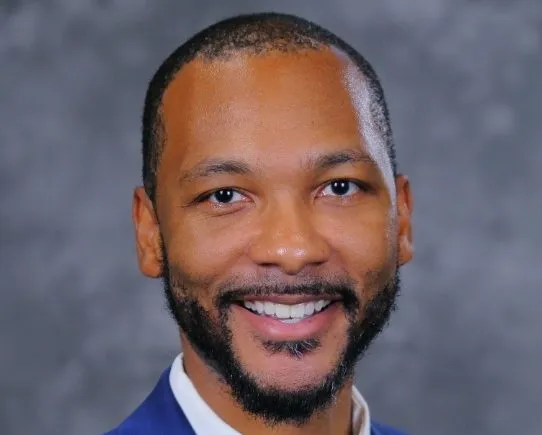
Anthony V. Mack
Raising a young man in 2026 is not easy. Most young men describe life as stressful, pressured, and uncertain. When an 18-year-old leaves home for college, those feelings only intensify. Many parents search desperately for the magic formula: something that will help their newly adult children overcome isolation, find purpose, and set them on an upward trajectory for life. Parents need not look far, as the solution may be hiding in plain sight.
For two centuries, college fraternities have fostered brotherhood and promoted the personal growth of young men. Yet many parents see only the negatives. Headlines about hazing, binge drinking, and toxic behavior have made them wary. But these sensational stories paint an incomplete picture of what fraternity offers to young men.
At a moment when young American men face unprecedented challenges, fraternities offer exactly the structured community many need to thrive. Evidence indicates that fraternity members outperform their unaffiliated peers academically. Fraternity members show significantly higher learning gains in their first year of college and experience higher retention and graduation rates.
Academic performance tells only part of the story. The data on young men’s mental health is alarming. Studies show that men aged 16 to 28 report social isolation and loneliness among their top three challenges. Nearly half of Gen Z men are considered “low social,” spending five hours or less per week in person with friends or participating in social activities. This isn’t just about feeling lonely or sitting alone, what we are seeing is a full-blown public health crisis.
Yet young men who belong to a college fraternity tell a strikingly different story. They overwhelmingly report good mental health: 53% positive compared to just 41% of young men overall. They’re significantly more likely to say their lives are going the way they envisioned. Seventy-one percent of fraternity men have a male mentor, compared to just 42% of non-affiliated men.
These numbers aren’t marginal differences. They represent fundamentally different lived experiences for young men navigating one of life’s most challenging transitions.
The antidotes to young men’s unhappiness are natural opportunities for in-person connection. And fraternities hand those opportunities to young men on a silver platter. Brotherhood activities, community service, intramural sports, and social events. After joining, young men are instantly connected with peers from different backgrounds, beliefs, and life experiences.